
Launch status: Graveyard Keeper 2 is out now worldwide (September 22, 2026) on PC, PS5, Xbox Series X|S, Switch & Switch 2 — full details in the release date & platform schedule.
On this page 11 sections
- Direct Solution & Tactical Verdict
- Core Data & Verification Matrix
- Official Video Reference
- District-by-District Reclamation & Civil Restoration SOP
- Market Square Restoration & Commercial Vendor Networks
- Residential Tenements & Municipal Population Growth
- The Grand Inquisitor: Decrees, Tribunals & City Governance
- Judicial Decrees & Urban Public Order Management
- Supply Line Delivery Contracts for Town Guilds
- Step-by-Step Strategic Walkthrough
- Frequently Asked Questions
Core Data & Verification Matrix
| Is The Town playable? | Yes, it is a primary location in Graveyard Keeper 2 rather than a locked gate |
| Who controls it initially? | It is overrun by townsfolk who turned into undead zombies |
| Reclamation method | District by district, followed by restoration of housing and shops |
| Economic benefit | Rebuilt shops create markets for your goods and unlock valuable resources |
| Infrastructure types | Housing, cafés, shops, streets, lighting, and defensive fortifications |
| Civic Inquisitor Role | Balance faction favor between Town burghers, clergy, and nobility |
Official Video Reference
Verified gameplay showcase footage covering key mechanics and features discussed in this guide.
District-by-District Reclamation & Civil Restoration SOP
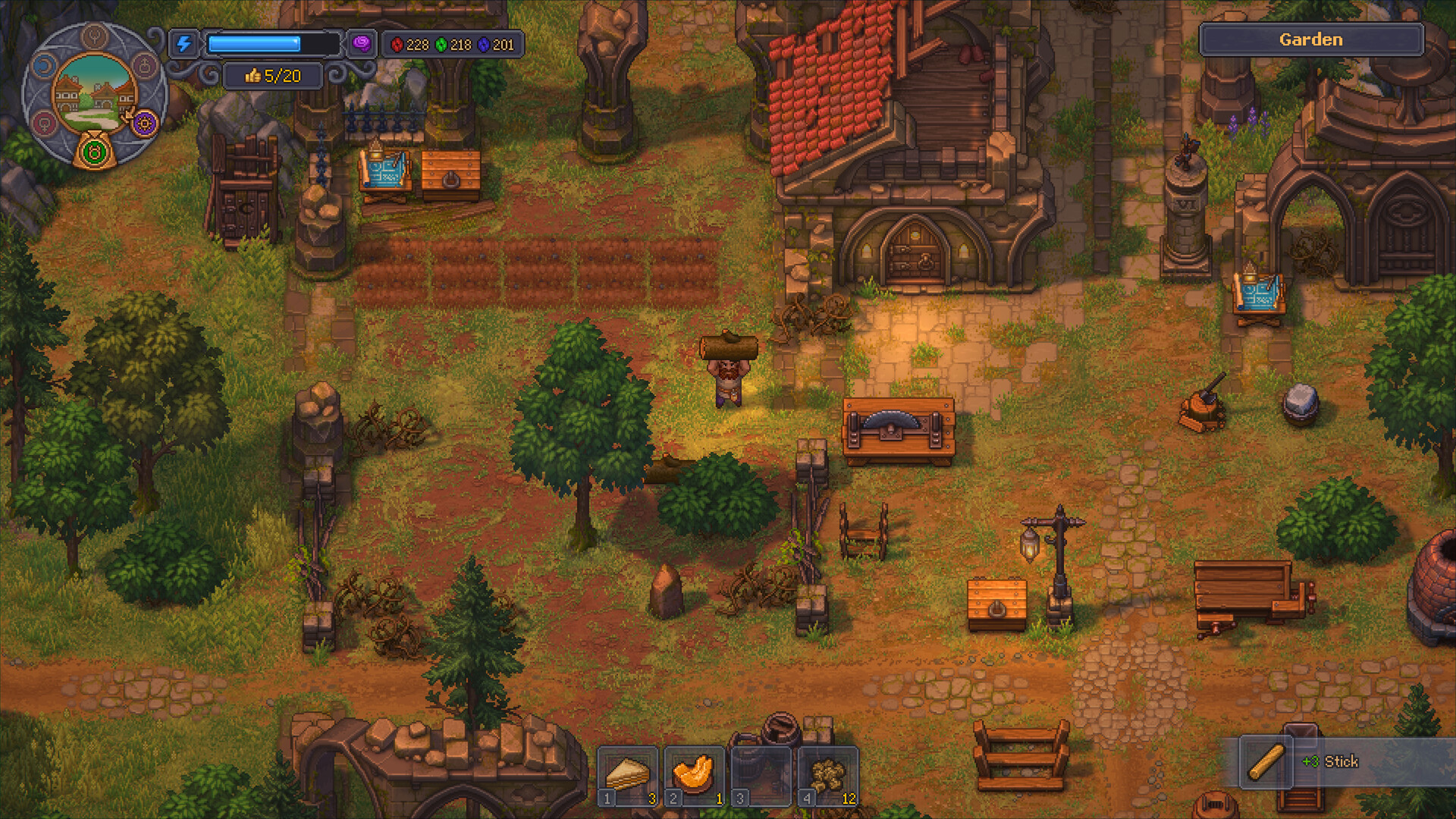
The Town in Graveyard Keeper 2 is not handed to the player intact. It is a ruined urban center divided into distinct sectors, each requiring military liberation before civil reconstruction can commence.
Liberating a district requires driving out occupying undead mobs during scheduled weekly street battles. Once the final wave is defeated, the district enters a pacified state, allowing you to examine dilapidated structures and review construction repair requirements.
Rebuilding requires staggering quantities of processed lumber, cut stone, and forged iron fasteners. Structuring dedicated conveyor lines in your estate workyard to continuously produce building flitch, stone slabs, and complex parts prevents multi-week delays in municipal restoration projects.
| District Name | Liberation Order | Occupying Threat | Primary Rebuilt Facility | Economic Benefit Unlocked |
|---|---|---|---|---|
| Market Square | District 1 (Early Game) | Shambling Townsfolk Mobs | Central Bazaar & General Store | Unlocks seed vendors, basic iron trade, and coin currency exchange |
| Artisan Quarter | District 2 (Mid Game) | Infected Blacksmiths & Miners | Forge Guild & Stonemason Hall | Provides high-tier tool schematics, steel ingots, and whetstone supplies |
| Harbor Docks | District 3 (Mid Game) | Drowned Sailors & Toxic Leeches | Seafood Market & Smuggler Warehouse | Enables overseas fish trade, exotic alchemy spices, and coastal shipping |
| Cathedral Heights | District 4 (Late Game) | Zealot Phantoms & Corrupted Priests | High Clergy Sanctum & Archives | Massive Faith generation, holy relic crafting, and royal indulgences |
Municipal Reclamation Trajectory: Prioritizing the Market Square immediately upon gaining Town access unlocks indispensable commercial vendors, allowing keepers to offload surplus agricultural produce for silver currency. Reclaiming the Artisan Quarter should directly follow, as access to the high-tier Forge Guild eliminates manual tool crafting bottlenecks. Delaying Cathedral Heights until the estate generates substantial weekly Faith ensures players can comfortably satisfy the exorbitant restoration tithes demanded by the High Clergy without starving church basement research projects.
A common progression pitfall for returning series veterans is over-investing in maxing out graveyard decoration while neglecting Town districts. In Graveyard Keeper 2, church sermon attendance is strictly capped by the restored Town population. Even with a high-rated cathedral and grand pews, your congregation attendance cannot scale past population limits without reclaiming residential sectors and tenements. Prioritize restoring Market Square and adjacent housing early so Sunday sermons reach their full congregation potential and maximize weekly Faith payouts.
Market Square Restoration & Commercial Vendor Networks
Restoring individual commercial buildings transforms vacant storefronts into vibrant trading partners. Each shopkeeper maintains specialized inventory demands, purchasing distinct commodities from the Keeper's estate while selling rare raw materials.
| Commercial Shop | Restoration Materials | Target Commodities to Sell | Exclusive Resources Purchased | Daily Foot Traffic |
|---|---|---|---|---|
| Bakers Café | 12x Wooden Plank, 6x Brick, 4x Glass | Wheat Flour, Sweet Pastries, Apples | Yeast, Cooking Spices, Pastry Recipes | High Morning Patronage |
| Apothecary Guild | 8x Stone Slab, 4x Complex Parts, 6x Flask | Alchemy Powders, Health Draughts | Sulfur, Mercury, Distillation Glassware | Steady All-Day Footing |
| Tavern Outpost | 16x Timber, 8x Iron Plate, 6x Keg | Red Wine, Beer, Roasted Meats | Tavern Reputation, VIP Quest Prompts | Peak Nighttime Hours |
| Tailor & Haberdasher | 10x Wooden Flitch, 4x Silk, 2x Brass | Hemp Fiber, Tanned Leather, Dyes | Expanded Backpacks, Worker Uniforms | Moderate Afternoon Activity |
Commercial Infrastructure Allocation: Rebuilding the Bakers Café provides an immediate, reliable demand sink for surplus garden wheat and forest apples, converting low-margin crops into precious silver coins. The Apothecary Guild is equally indispensable for late-game progression, granting access to exotic glassware and sulfur without requiring dangerous swamp expeditions. Keepers should ensure tavern deliveries align with peak nighttime hours to capture premium pricing on high-grade wine shipments. Reopening all four commercial fronts creates a resilient urban retail network that protects the estate from sudden agricultural market downturns.
Residential Tenements & Municipal Population Growth
Rebuilding living accommodations encourages displaced citizens to return to The Town. A thriving urban population directly amplifies the volume and quality of corpses delivered to your morgue, accelerating cemetery rating expansion.
| Housing Type | Unit Capacity | Material Requirement | Citizen Wealth Tier | Morgue Delivery Impact |
|---|---|---|---|---|
| Thatched Cottages | 4 Citizens / Home | 8x Timber, 12x Straw, 6x Nails | Common Peasantry | Increases basic corpse deliveries by +1 / week |
| Timber Townhouses | 8 Citizens / Home | 14x Plank, 8x Brick, 4x Beam | Artisans & Tradesmen | Delivers corpses with 4-6 natural White Skulls |
| Stone Manors | 12 Citizens / Home | 12x Cut Stone, 6x Marble, 4x Glass | Wealthy Burghers | Delivers high-status bodies yielding silver burial certs |
| Aristocratic Estates | 20 Citizens / Home | 20x Carved Marble, 8x Gold Ingot | Noble Court Envoys | Unlocks Royal Indulgence quests & 8+ skull cadavers |
Demographic Scaling Analysis: Constructing high-density timber townhouses and stone manors fundamentally alters the economic output of your mortuary operations. While common peasantry corpses provide basic crafting components, burgher cadavers carry pristine organ structures that drastically accelerate cemetery rating gains. Balancing residential housing construction alongside workshop output ensures the town generates sufficient royal tax revenue to fund ongoing defense fortifications against weekly undead sieges. Upgrading urban residential quarters transforms the ruined municipality into an affluent regional capital capable of underwriting massive cathedral expansions.
The Grand Inquisitor: Decrees, Tribunals & City Governance
Restoring The Town is only half the battle; maintaining law, theological purity, and civic order falls under your jurisdiction as Grand Inquisitor.
From the Council Chambers at Town Hall, you preside over weekly municipal tribunals. Citizens petition the court with heresy accusations, boundary disputes, and merchant price gouging grievances. Your judgments directly tilt the political balance between church zealots and merchant guilds.
Enacting civic edicts allows you to adjust market tax rates, subsidize industrial workshop speeds, or declare emergency quarantines to halt contagion during disease outbreaks.
| Inquisitorial Action | Political Influence Shift | Civic Impact | Direct Player Benefit | Faction Resistance |
|---|---|---|---|---|
| Condemn Merchant Cartel | +20 Church Favor, -15 Burgher Favor | Lowers food prices across markets | Seizes 5 Silver in contraband goods | Merchant guild strikes halt steel imports |
| Grant Religious Indulgence | +25 Crown Favor, -10 Commoners | Increases cathedral construction speed | Receives Royal Permit for marble quarry | Triggers street protests if taxes are high |
| Enforce Night Curfew | +15 Order, -5 Public Morale | Reduces nighttime zombie spawns by 50% | Protects fragile street lighting fixtures | Reduces tavern liquor revenue by 20% |
| Authorize Witch Purge | +30 Church Zealots, -20 Town Wisdom | Eliminates demonic corruption in sewers | Yields dark alchemy organs & forbidden scrolls | Alchemist guild temporarily shutters stalls |
Judicial Authority Trade-Offs: Managing the complex political dynamics between the ecclesiastical hierarchy, crown aristocrats, and urban merchant guilds demands constant strategic recalibration. Condemning corrupt merchants provides immediate silver seizures to fund critical wall fortifications, but can inadvertently freeze regional metal shipments needed for tool forging. Keepers must preserve equilibrium across all factions, preventing unrest from boiling over into destructive urban riots. Maintaining diplomatic harmony among competing factions ensures both religious sermons and commercial markets operate with peak efficiency throughout the weekly cycle.
Verified in Official Updates 1.008 and 1.009: keep active undead workers within your camp capacity cap to avoid the zombie Panic debuff, and space workyard conveyor lanes clearly around the Sawhorse, Town Warehouse, and vine cellar.
Judicial Decrees & Urban Public Order Management
Maintaining high public order ratings across liberated districts prevents municipal unrest, crime waves, and sudden zombie reinfections. Decrees enacted at the podium establish municipal policies for up to twelve days.
| Judicial Edict | Enactment Cost | Duration | Public Order Modifier | Economic Trade-off |
|---|---|---|---|---|
| Sanctuary Guard Mandate | 6 Faith, 1 Silver | 12 In-Game Days | +25% Town Guard Effectiveness | -10% Workshop labor output |
| Tithe Exemption Decree | 10 Faith, 50 Copper | 6 In-Game Days | +30% Merchant Sentiment | -15% Sunday church donations |
| Emergency Quarantine | 8 Faith, 2 Holy Water | 3 In-Game Days | Completely halts infection spread | All commercial shops temporarily close |
| Industrial Conscription | 12 Faith, 2 Silver | 12 In-Game Days | +40% Town restoration speed | Increases public unrest risk by 15% |
Order Stabilization Tactics: Enacting the Sanctuary Guard Mandate immediately prior to scheduled weekly street battles significantly fortifies town guard resilience, allowing player forces to repel elite ghoul incursions without suffering structural breaches. During periods of rapid urban expansion, deploying the Industrial Conscription decree accelerates masonry and carpentry repairs by forty percent, though keepers must follow up with public festivals to mitigate citizen discontent. Balancing law enforcement with municipal entertainment safeguards citizen loyalty while maximizing long-term commercial tax collection.
Supply Line Delivery Contracts for Town Guilds
Rebuilt trade guilds post recurring procurement orders on the Town Hall contract board. Supplying bulk industrial crates earns prestigious guild tokens, royal silver currency, and exclusive crafting patents.
| Contracting Guild | Required Cargo Crate | Delivery Frequency | Currency Payout | Exclusive Unlock Reward |
|---|---|---|---|---|
| Masons Brotherhood | 5x Carved Marble Crate | Weekly (Sloth Day) | 3 Silver, 50 Copper | Master Chiseling Blueprint |
| Carpenters Union | 8x Hardwood Beam Crate | Weekly (Gluttony Day) | 2 Silver, 80 Copper | Reinforced Furniture Schematics |
| Apothecary Syndicate | 4x High-Grade Elixir Crate | Bi-Weekly | 5 Silver, 20 Copper | Concentrated Acid Extraction Patent |
| Crown Armory | 6x Forged Steel Weapon Crate | Monthly (Inquisition Day) | 10 Silver, 00 Copper | Grand Inquisitor Armor Crest |
Guild Contract Optimization: Fulfilling weekly commodity contracts provides the most dependable late-game silver engine outside of church sermons. By connecting subterranean conveyor networks directly to export loading docks, keepers can automate the packaging and delivery of hardwood beams and marble slabs with zero manual carrying. Reinvesting contract earnings into guild patents unlocks high-tier blueprints that further optimize workyard crafting speeds. Establishing consistent weekly delivery routines guarantees substantial capital reserves for purchasing rare technological components.
Step-by-Step Strategic Walkthrough
- 01 · Reclaim it district by district: official material is explicit that The Town is not cleared in one push. You reclaim the city district by district, then bring each area back to life.
- 02 · Restore comfortable housing: rebuilding homes encourages living townsfolk to return, which increases the population and drives the urban economy forward.
- 03 · Reopen cafés and shops: each restored shop or café creates a new market where you can sell your goods and buy valuable products and resources.
- 04 · Rebuild local infrastructure: official material lists restoring streets and lighting as essential steps to make reclaimed districts functional.
- 05 · Feed the economic loop: a growing town consumes more goods and delivers more sinner corpses with higher skull counts to your morgue.
Frequently Asked Questions
How do I unlock access to The Town in Graveyard Keeper 2?
Progress through the opening prologue, clear your first cemetery inspection with the Bishop (+5 rating), and repair the wooden river bridge to access the Town South Gate.
Can The Town be attacked after I liberate it?
Yes. Hostile zombie swarms attempt to reinvade liberated districts during scheduled weekly battles, requiring you to maintain defensive barricades and garrison squads.
What happens if I fail a Town street battle?
If your defenses are overrun, the district suffers damage to its shops and housing, temporarily reducing tax revenues until repairs are completed.
How do I earn the most money from Town vendors?
Rebuild the Market Square shops and fulfill specialized guild trade contracts. Vendors pay premium prices for packaged commodity crates rather than raw farm produce.
Where do I find the Grand Inquisitor in GK2?
The Grand Inquisitor can be encountered at the Witch Hill execution grounds and inside the Town Hall Council Chambers during official tribunal sessions.
Can I demolish and rebuild structures in The Town?
You can repair, upgrade, and customize public fixtures like street lanterns, watchtowers, and market stalls, while core buildings follow fixed architectural restoration paths.
How does the town population affect the morgue?
As housing is restored and citizens return, the frequency of corpse deliveries increases, and the proportion of high-value noble and burgher cadavers rises.
What should I do if a Town quest or district purge gets stuck?
Official Update 1.007 resolved the progression issue affecting Central Districts Purge: Part I and Part II, fixed the PR machine, repaired iron supply delivery quests getting stuck, fixed Jack receiving details instead of tools, cleaned up collision in the first part of Town, and resolved translation errors that blocked quest completion.
What happens if soldiers or battle triggers vanish during Town quests (e.g. Floodgate battles)?
If you retreat from an active district encounter like 'Closing the Eastern Floodgate' and soldiers or interact targets disappear, leaving the district zone entirely or sleeping at your cottage will reload the district encounter state, allowing you to restart the battle cleanly.
Related Strategy Guides
Multiplayer Status
Combat & DungeonsTower Defense & Base
Morgue & GraveyardCorpse Decay & Morgue
Morgue & GraveyardGraveyard Rating
Technical & SystemsDemo & Save Transfer
Workyard & AutomationConveyors & Factory
Town & QuestsFast Travel & Map
Combat & DungeonsCombat & Town Battles
Walkthrough & StarterDemo Starter Route