
Launch status: Graveyard Keeper 2 is out now worldwide (September 22, 2026) on PC, PS5, Xbox Series X|S, Switch & Switch 2 — full details in the release date & platform schedule.
On this page 11 sections
- Direct Solution & Tactical Verdict
- Core Data & Verification Matrix
- Official Video Reference
- Biological Decay Mechanics & Green Skull Degradation
- Donkey Delivery Schedules & Carrot Trough Automation
- Crematorium Pyres & Ash Salvage Economics
- Refrigeration Technology & Chemical Preservation Injections
- Preservative Fluid Synthesis & Laboratory Formulation
- Morgue Layout Optimization & Floor Footprint
- Step-by-Step Strategic Walkthrough
- Frequently Asked Questions
Core Data & Verification Matrix
| Freshness Threshold | 100% - 90%: Pristine (No skull loss); <90%: White Skulls convert to Green Decay Skulls |
| Decay Velocity | Approx. 1% freshness lost every 20 seconds on standard wooden slabs |
| Refrigerated Pallet Effect | Completely freezes decay (0% decay rate) while powered with ice or mechanical cooling |
| Preservative Injection | Permanently locks current freshness level and restores +1 White Skull |
| Emergency Salvage | Crematorium burns decayed bodies for 1x Burial Certificate, 1x Ash Urn, and 8x Salt |
| Donkey Schedule | Delivers up to 3 bodies weekly, provided the donkey food trough is stocked with carrots |
Official Video Reference
Verified gameplay showcase footage covering key mechanics and features discussed in this guide.
Biological Decay Mechanics & Green Skull Degradation
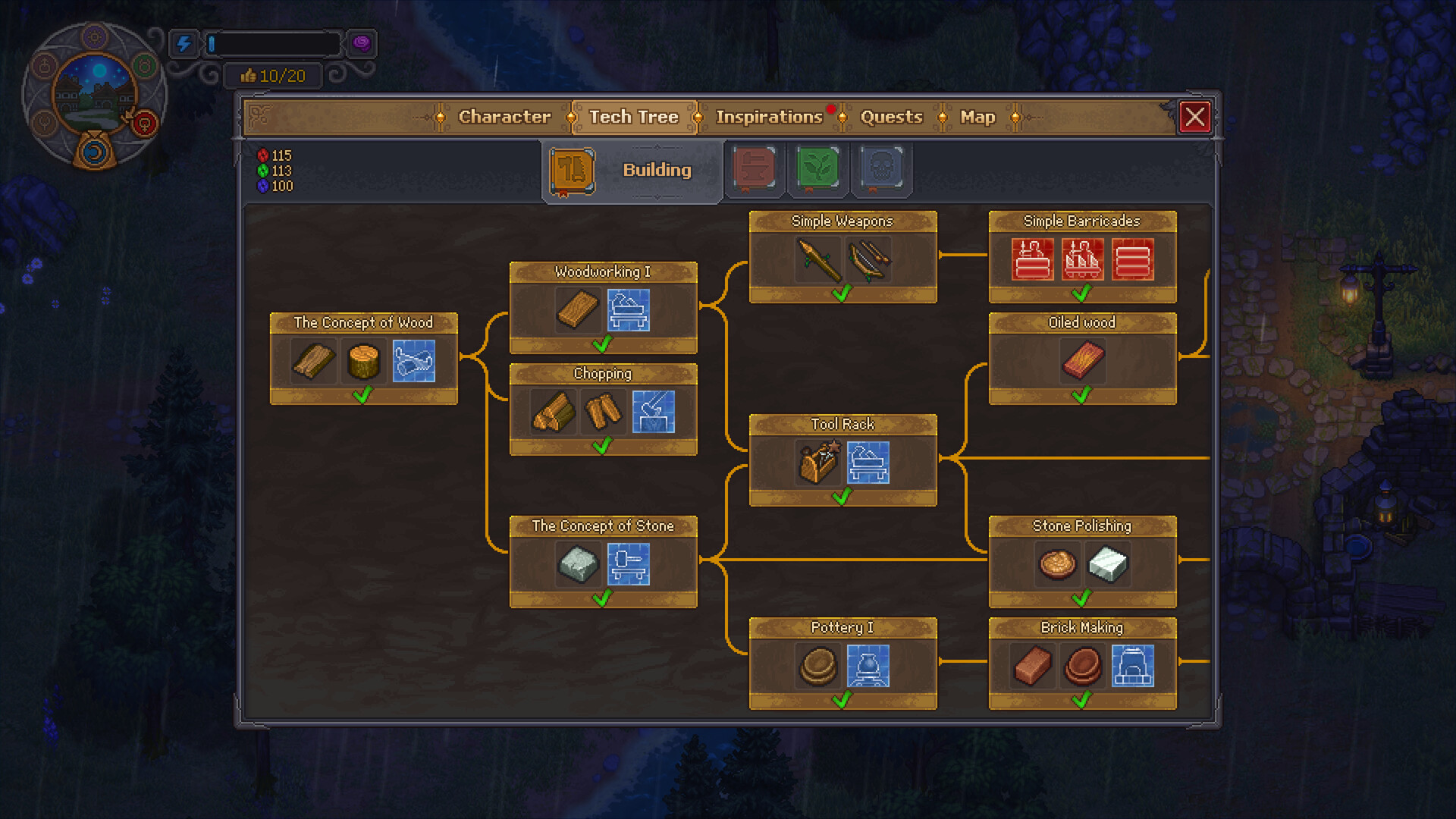
In Graveyard Keeper 2, time is the enemy of anatomical perfection. Understanding the mathematical conversion of fresh tissue into rotted putrefaction is essential to maintaining high graveyard standards.
Every corpse possesses a freshness percentage displayed above its health bar. For every 10% drop below the 90% threshold, one White Skull permanently converts into a green rot skull. Green skulls act identically to Red Skulls, subtracting points directly from your graveyard rating.
Leaving bodies on the cold morgue floor accelerates decay by 50% compared to elevated wooden slabs. Constructing adequate pallet capacity ensures corpses never lie discarded in the dirt.
| Freshness Range | Tissue Condition | Skull Rating Transformation | Graveyard Rating Impact | Recommended Action |
|---|---|---|---|---|
| 100% - 90% | Pristine / Unblemished | Full White Skulls preserved intact | Maximum score (+3 to +12 rating) | Perform standard autopsy and bury in prime plot |
| 89% - 80% | Mild Surface Decay | 1 White Skull converted to 1 Green Skull | Moderate score reduction (-1 rating) | Apply Preservative Fluid immediately |
| 79% - 70% | Advanced Decomposition | 2 White Skulls converted to Green Skulls | Severe score penalty (-2 rating) | Strip blood/fat and convert to zombie laborer |
| 69% - 50% | Severe Putrefaction | 3-4 White Skulls rotted away | Devastating penalty to cemetery rating | Extract organs for alchemy; cremate remains |
| < 50% | Total Putrescence | All White Skulls converted to Rot Skulls | Guaranteed negative graveyard score | Do not bury under any circumstances; incinerate |
Biological Decay Assessment: The exponential penalty incurred by allowing cadavers to deteriorate below ninety percent freshness makes rapid morgue intervention imperative. Because each green decay skull directly negates a hard-earned white skull, burying a rotted cadaver can single-handedly demote your cemetery rating below the Bishop's weekly inspection threshold. Keepers must treat the donkey's arrival bell as an urgent call to action, prioritizing immediate autopsy processing before attending to exterior agricultural chores.
Burying a body with green decay skulls damages your overall graveyard rating permanently. Once buried, digging up the body costs an expensive Exhumation Permit! Furthermore, as verified in community starter guides, decay does not halt at green skulls: neglected corpses left unattended on dirt or basic slabs will eventually decompose completely into a pile of ashes, permanently forfeiting all organ harvesting opportunities.
Donkey Delivery Schedules & Carrot Trough Automation
The donkey delivers corpses according to a scheduled weekly rhythm, but his services require continuous carrot compensation. Managing carrot supply prevents unexpected corpse deliveries during busy church sermon days.
| Delivery Variable | Operating Parameter | Required Resource | Buffer Capacity | Optimization Tactic |
|---|---|---|---|---|
| Carrot Payment | 5 Carrots / Corpse | Fresh Garden Carrots | Trough holds 30 Carrots (6 Corpses) | Automate carrot farming with farm zombies |
| Delivery Window | 3 Deliveries / Week | Donkey Travel Time | 1 Corpse per delivery drop | Remove corpses promptly to clear chute |
| Trough Strike | Stops delivery if empty | Zero carrots in trough | Zero bodies delivered | Use empty trough to pause deliveries intentionally |
| Broken Wheel Event | Requires Seed Oil / Tools | 1x Seed Oil, 2x Wooden Plank | One-time quest repair | Restores regular weekly delivery schedule |
Logistical Delivery Control: Utilizing the carrot feeding trough as an intentional throttle allows keepers to regulate corpse inflow according to current estate capacity. When morgue pallets are fully occupied and storage chests are depleted of salt, withholding carrots prevents the donkey from dumping additional rotting cadavers into the chute. Once new refrigerated storage facilities are constructed, replenishing the trough with thirty carrots ensures an uninterrupted influx of fresh surgical subjects.
Verified in Official Updates 1.008 and 1.009: keep active undead workers within your camp capacity cap to avoid the zombie Panic debuff, and space workyard conveyor lanes clearly around the Sawhorse, Town Warehouse, and vine cellar.
Crematorium Pyres & Ash Salvage Economics
When a corpse suffers irreparable rot or excessive red skulls, cremation offers a profitable alternative to burial. Burning cadavers salvages valuable alchemical reagents and official burial certificates.
| Disposal Method | Operating Cost | Processing Time | Yielded Reagents | Financial Payout |
|---|---|---|---|---|
| Wooden Cremation Pyre | 8x Wooden Flitch, 2x Firewood | Instant incinerate (10s) | 1x Ash Urn, 8x Salt, 1x Ash Chunk | 1x Burial Certificate (1 Silver, 50 Copper) |
| Stone Columbarium | 4x Stone Slab, 2x Ash Urn | Permanent Memorial | +12 Graveyard Rating (4 Urn slots) | Zero recurring maintenance cost |
| Marble Columbarium | 4x Carved Marble, 4x Ash Urn | Permanent Memorial | +24 Graveyard Rating (8 Urn slots) | Maximum graveyard space efficiency |
| River Dumping | 0 Stamina (Illegal) | Instant disposal | Zero reagents recovered | Violates town laws; fines if witnessed |
Cremation Economics Assessment: Operating a crematorium pyre converts damaged, low-skull cadavers into high-value ceramic urns and essential chemical reagents. The eight units of salt recovered from every cremation provide the indispensable catalyst needed for preparing embalming solutions and meat curing. Furthermore, entombing ash urns within stone columbaria delivers twelve graveyard rating points across an exceptionally compact four-tile footprint, far outpacing individual earthen graves. Incorporating cremation into daily morgue operations ensures zero cadaver resources are wasted during cemetery modernization.
Refrigeration Technology & Chemical Preservation Injections
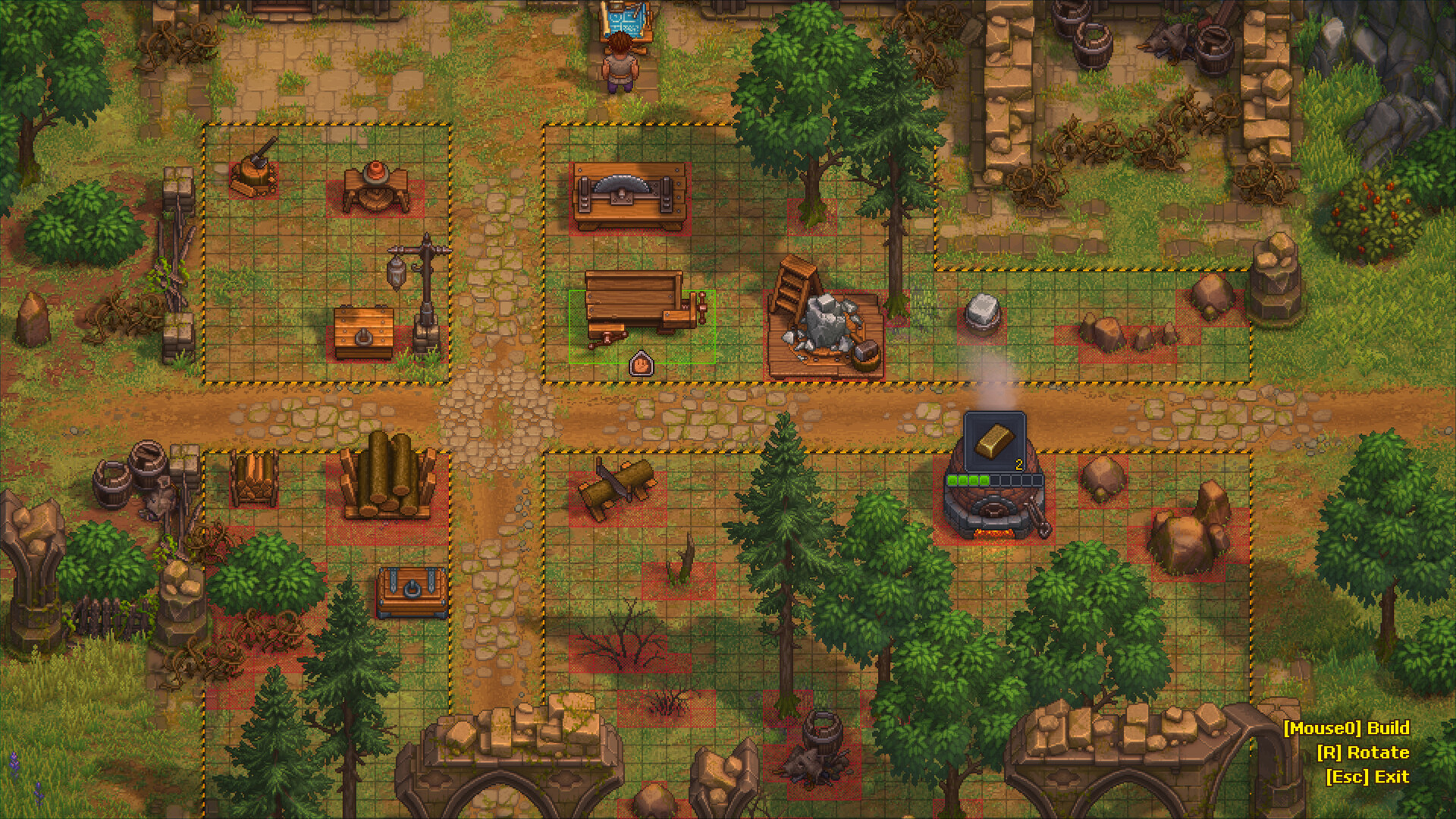
Halting the decay timer requires upgrading your underground facilities from primitive wooden slabs to modern refrigerated storage pallets and chemical injection apparatuses.
Refrigerated pallets utilize mechanical ice insulation to drop storage temperatures near freezing, completely stopping bacterial growth. Cadavers placed on active refrigerated pallets retain 100% freshness indefinitely.
For long-term preservation without dedicated cold pallets, chemical embalming injections offer permanent arterial protection. Administering Preservative Fluid locks the corpse at its current freshness percentage forever.
| Preservation System | Facility Tier | Decay Reduction | Upfront Crafting Cost | Recurring Operating Cost |
|---|---|---|---|---|
| Standard Wooden Slab | Tier 1 Morgue | 0% Reduction (Normal rot) | 4x Wooden Flitch, 2x Nails | Zero operating cost |
| Refrigerated Morgue Pallet | Tier 2 Morgue | 100% Frozen (0% decay rate) | 4x Iron Plate, 2x Complex Parts | Requires weekly Ice Block or cold crystal |
| Embalming Preservative Fluid | Tier 2 Alchemy | Permanently locks current % | 1x Salt, 1x Alcohol, 1x Flask | One-time injection per cadaver |
| Salt Immersion Brine Bath | Tier 2 Morgue | -80% Decay Velocity | 6x Stone Slab, 6x Salt Chunk | Requires fresh brine renewal every 10 days |
| Cryogenic Marble Sarcophagus | Tier 3 Crypt | Permanent 0% Decay + Stat Lock | 2x Carved Marble, 1x Gold Bar | Zero maintenance; permanent magical frost |
Cold Storage Engineering Evaluation: Upgrading the morgue with refrigerated pallets and cryogenic marble sarcophagi completely decouples anatomical surgery from the pressures of the real-time clock. Keepers can comfortably stockpile multiple twelve-skull candidates until sermon days, when Faith reserves allow the compounding of expensive silver and gold embalming fluids. Implementing salt immersion baths provides an economical intermediate buffer during mid-game workshop expansion. Modernizing refrigeration fixtures safeguards irreplaceable cadaver tissue quality against summer heatwaves.
Harvest ice blocks from the northern mountain glacier during early morning hours using an iron pickaxe, or purchase compressed cooling salts from the Town alchemist.
Preservative Fluid Synthesis & Laboratory Formulation
Compounding chemical preservatives requires establishing an efficient alchemical distillation loop. Combining pure evaporated alcohol with crystalline salt yields medical-grade preservative solutions.
| Required Ingredient | Source Location | Extraction Station | Alternative Source | Batch Quantity Yield |
|---|---|---|---|---|
| Crystalline Salt Chunk | Crematorium Pyres & Quarry | Alchemy Mill (Crushing) | Purchase from Spice Vendor | Yields 2x Salt Powder |
| Pure Alcohol | Vineyard Still / Kitchen | Distillation Cube (Boiling) | Distilled from Sour Wine | Yields 1x Pure Alcohol Flask |
| Conical Glass Flask | Workyard Furnace | Furnace Smelting (Sand) | Purchase from Witch Hut | Yields 3x Glass Flasks |
| Finished Preservative | Alchemy Workbench I | Two-Stage Compounding | None (Must brew locally) | Produces 1x Embalming Injection |
Alchemical Synthesis Assessment: Establishing a closed-loop preservative manufacturing pipeline requires coordinating agricultural distilling with crematorium operations. Incinerating damaged cadavers produces an abundant stream of salt, while surplus garden grapes distilled in the church cellar yield high-proof alcohol. Compounding these reagents at Alchemy Workbench I guarantees that incoming noble corpses can be chemically stabilized immediately upon arrival, preventing any risk of green skull contamination. Maintaining ample stocks of preservative fluid eliminates all anxiety regarding unexpected corpse arrival surges.
Morgue Layout Optimization & Floor Footprint
Maximizing morgue productivity requires laying out autopsy slabs, refrigerated pallets, and chemical injection benches in a seamless logical circuit adjacent to the delivery chute.
| Morgue Fixture | Recommended Placement | Spatial Footprint | Adjacency Requirement | Workflow Priority |
|---|---|---|---|---|
| Delivery Chute Catch Basin | North Morgue Wall | 2x2 Tiles | Directly below exterior trapdoor | Initial body reception zone |
| Primary Autopsy Table II | Center Floor Grid | 2x3 Tiles | Adjacent to Organ Cabinet | Immediate surgical extraction |
| Embalming Table | West Chamber Wall | 2x3 Tiles | Adjacent to Chemical Rack | Chemical injection sequence |
| Refrigerated Pallet Battery | South Morgue Wall | 2x4 Tiles (Holds 2) | Direct access to Crypt Hatch | Long-term cold backlog storage |
Mortuary Floor Plan Optimization: Arranging morgue workstations in a clockwise flow from the northern delivery chute directly through the central autopsy table to the western embalming station minimizes transit delays when handling delicate cadavers. Positioning the battery of refrigerated pallets along the southern perimeter adjacent to the cemetery exit hatch ensures that freshly preserved bodies can be transported to exterior grave plots without traversing cluttered chemical storage alcoves. Disciplined mortuary floor planning streamlines cadaver processing routines and prevents accidental corpse drops.
Step-by-Step Strategic Walkthrough
- 01 · Respond to Donkey Bell Instantly: When the donkey rings his delivery bell, enter the morgue immediately to retrieve the fresh body before decay starts.
- 02 · Monitor the Freshness Percentage: Keep cadavers above 90% freshness. At 89% and below, the first White Skull degrades into an irreparable green decay skull.
- 03 · Transfer to Refrigerated Morgue Pallets: Construct refrigerated pallets using iron plates and complex parts to completely freeze the decay timer at 0%.
- 04 · Administer Preservative Fluid: Inject Preservative Fluid (Salt + Alcohol) at the Embalming Table to permanently lock current freshness and prevent further rotting.
- 05 · Cremate Irreparably Rotted Corpses: If a body drops below 60% freshness, do not bury it. Burn it at the Crematorium to salvage an Ash Urn and Burial Certificate.
Frequently Asked Questions
How long do I have before a corpse starts to rot?
A fresh corpse remains at 100% freshness for approximately 3-4 minutes of real time on a wooden slab. Once it drops to 89%, the first green skull forms.
Can green decay skulls be cured or removed?
No. Once a White Skull rots into a green decay skull, it is permanently lost. You cannot convert green decay skulls back into white skulls through embalming.
Where do I get ice for refrigerated pallets?
Ice blocks can be mined from the northern mountain glacier during winter and rainy weather, or purchased in the form of cooling crystals from the Town apothecary.
How many bodies can the morgue hold simultaneously?
By upgrading floor space and building additional pallets, the morgue can expand to hold up to 8-12 bodies simultaneously.
What should I do if the donkey drops a body while I'm away?
If you are exploring distant zones, the body will begin rotting in the chute. Always return home promptly when you hear the donkey's arrival chime.
Does embalming a body stop its decay completely?
Standard embalming fluids modify skull counts but do not stop decay. Only the specific Preservative Fluid injection or refrigerated pallets will halt the decay timer.
Why did my corpse turn green immediately after delivery?
In rare cases, diseased sinner corpses arrive from the Town with pre-existing rot. Check their initial stats immediately; diseased bodies should be sent straight to the Crematorium.
Related Strategy Guides
Graveyard Rating
Technical & SystemsDemo & Save Transfer
Workyard & AutomationConveyors & Factory
Town & QuestsFast Travel & Map
Combat & DungeonsCombat & Town Battles
Walkthrough & StarterDemo Starter Route
Economy & TradingEarly Economy & Trade
Church & TheologyScience & Faith
Walkthrough & StarterBeginner Guide